They Already Know: What It Means When the Bartender Pours Your Drink Before You Ask
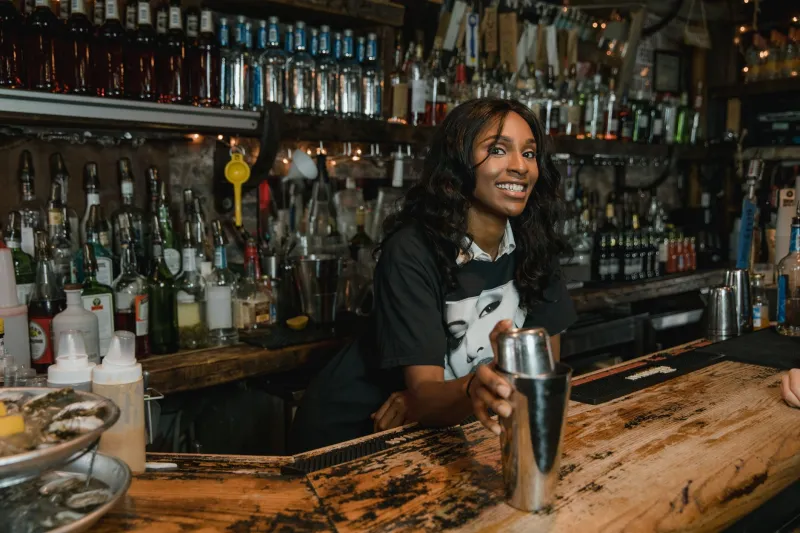
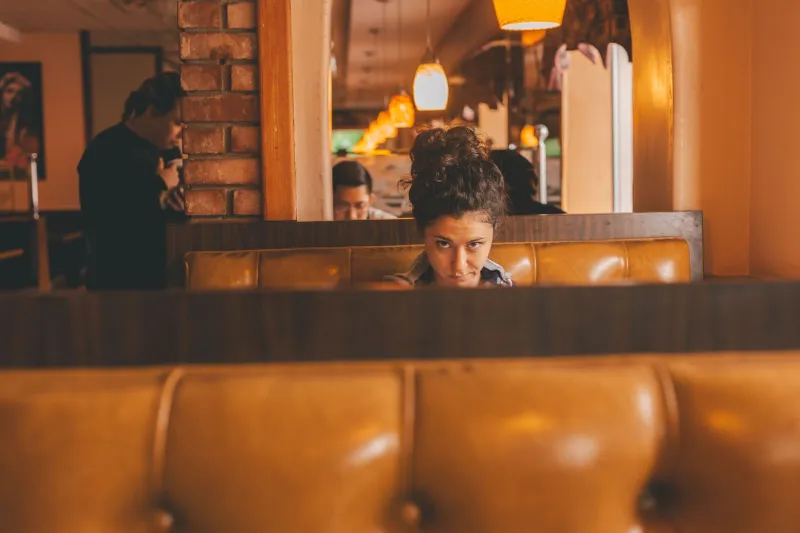
You push through the door. Maybe it's a Tuesday. Maybe it's been a rough week. You don't say anything — you just find a spot at the bar, set your jacket down, and before you've even fully settled in, there it is. A cold pint sliding across the wood toward you, followed by a nod and a "rough one today?" from the person who poured it.
No app. No loyalty points. No QR code to scan. Just someone who remembered.
That moment — small as it sounds — is one of the most human things a bar can do for you. And if you've ever experienced it, you know it hits different than almost anything else a hospitality business could offer.
The Psychology of Being Known
Psychologists have a term for the feeling you get when someone in a public space recognizes and remembers you: it triggers what's called a "belonging cue." Your brain interprets it as a signal that you are safe, valued, and part of something. It's the same wiring that made campfire circles work 10,000 years ago, updated for the barstool era.
Being remembered in a bar isn't just flattering — it's genuinely meaningful to how we experience identity. We spend most of our days as strangers. We're account numbers, customer IDs, and usernames. We move through coffee shops, grocery stores, and office buildings as largely invisible participants in a massive, anonymous transaction economy.
The neighborhood pub flips that script. When a bartender remembers your name, your drink, and maybe even the name of your dog you mentioned last month, they're doing something radical in the modern world: they're treating you like a person, not a placeholder.
Why Memory Is the Ultimate Bar Skill
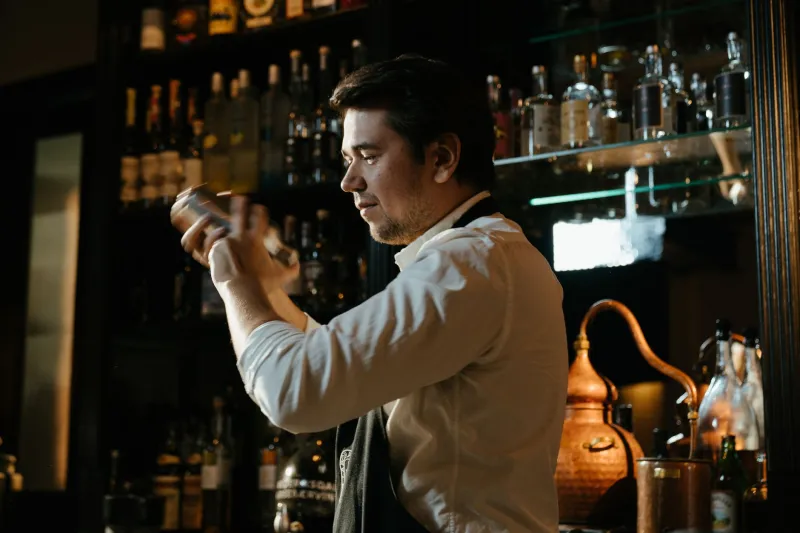
Great bartenders will tell you that the technical stuff — knowing how to build a proper Manhattan, understanding which lagers pour clean at what temperature, managing a six-top while keeping the bar rail happy — all of that can be taught. What's harder to teach is genuine curiosity about people.
The bartenders who become legends at their spots aren't just fast or precise. They're listeners. They notice that you order the amber ale when you're unwinding after work but switch to whiskey when something's actually wrong. They remember that you always ask for a water alongside your first pint. They catch the detail you mentioned in passing — the job interview, the anniversary dinner, the out-of-town cousin coming to visit — and they ask about it the next time you walk in.
That kind of memory isn't a trick. It's a form of respect. It says: you were worth paying attention to.
And for the guest, there's no substitute for it. You can have the most beautiful tap list in the city, the crispest fries, the most thoughtfully designed room — but if nobody behind the bar makes you feel like you belong there, you'll eventually find somewhere that does.
What It Actually Builds
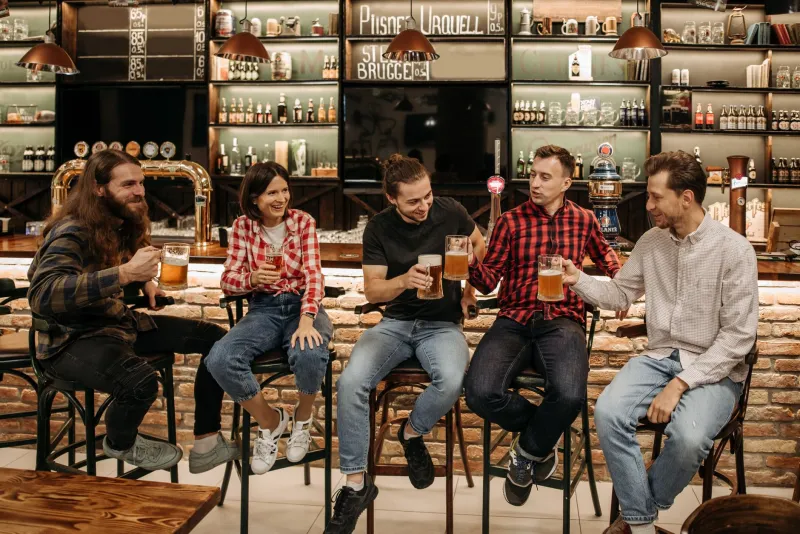
There's a reason regulars are the economic backbone of any great neighborhood bar. It's not just frequency of visits — it's depth of relationship. A regular who feels genuinely known will weather a bad batch of beer, a slow kitchen night, or a price increase without flinching. They'll bring their friends. They'll show up on a random Wednesday just because they wanted to. They'll defend the place in conversation the way people defend their hometown — with a kind of personal loyalty that no marketing campaign can manufacture.
Compare that to the loyalty program model: spend enough, collect enough points, redeem a free appetizer. It works, technically. But it builds transactional attachment, not emotional attachment. The moment a competitor offers better points, that "loyal" customer is gone.
The bartender who remembers your drink? That's not a transaction. That's a relationship. And relationships are sticky in the best possible way.
The Two-Way Street Nobody Talks About
Here's the part that often gets left out of the conversation: being a regular is a two-way commitment. The bartender remembers your name because you showed up enough to give them a chance. You learned theirs. You didn't treat the bar like a vending machine — you treated it like a place with people in it.
That's its own kind of art. The best bar relationships are built slowly, over many visits, through small exchanges that accumulate into something real. You don't become a regular by declaring yourself one. You become one by showing up, being decent, tipping fairly, and letting the place work on you over time.
Some of the most meaningful communities in American life have formed across a bar rail. People who met as strangers and became something closer to family — because they kept coming back to the same room, kept talking to the same people, kept building something invisible and irreplaceable.
Finding Your Place
If you don't yet have a bar where they know your name, that's not a tragedy — it's an open invitation. The right spot is out there. It's probably not the loudest one or the trendiest one. It's the one where the bartender makes eye contact when you walk in. Where the room feels like it has a personality. Where the regulars don't feel like a clique but like people who simply found something good and kept coming back to it.
Go a few times. Sit at the bar instead of a table. Order something and talk a little. Don't rush it. Let the place earn your loyalty the same way you're earning theirs.
And one day — maybe sooner than you think — you'll push through that door after a long week, and before you even sit down, there it'll be. Your drink, already waiting. A nod. A question about how things went.
That's not just a bar. That's your bar. And there's genuinely nothing like it.