What Your Bartender Knows That You Don't: The Hidden Science of Running a Great Night
What Your Bartender Knows That You Don't: The Hidden Science of Running a Great Night
There's a moment that happens at every good pub — usually somewhere around the second round — where the room just clicks. Conversations get louder in the best way. Shoulders drop. Someone laughs too hard at something that wasn't even that funny. The night stops feeling like an agenda and starts feeling like a memory in the making.
Most people credit the drinks. Or the company. Maybe the music. But if you ask anyone who's spent serious time behind a bar, they'll tell you something different: that moment doesn't happen by accident. It's built — carefully, quietly, by the person standing on the other side of the wood.
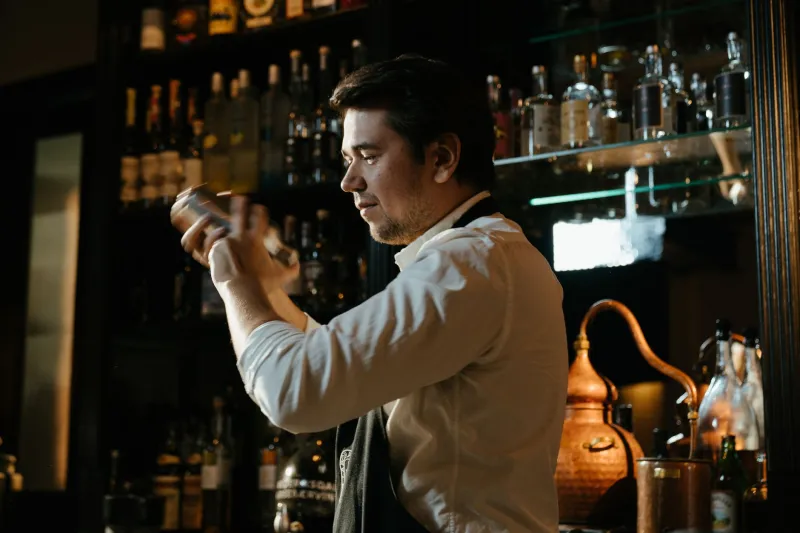
Great bartending is one of the most underappreciated performance arts in American social life. And it's time we talked about what it actually looks like.
The First Five Minutes Are Everything
Before a single glass is poured, a skilled bartender is already working. The moment someone walks through the door, the read begins — and it's not casual.
Are they scanning the room or heading straight for an open seat? Are they alone, moving like they own the place, or hovering near the entrance like they're not sure they belong? Did they come in with a group that's already mid-conversation, or are they a solo arrival who might need a soft landing?
All of that information shapes the approach. A good bartender knows that a confident regular doesn't need to be greeted with a menu and a rundown of the specials. They need eye contact, a nod, and their usual appearing in front of them before they've even settled onto the stool. Meanwhile, someone who looks uncertain — maybe it's their first time in, maybe they just had a rough Tuesday — needs something warmer. A genuine welcome. A question that opens a door rather than closes one.
The first interaction sets the tone for the entire night, and the best bartenders treat it like a handshake that matters.
Reading the Room Is a Full-Time Job
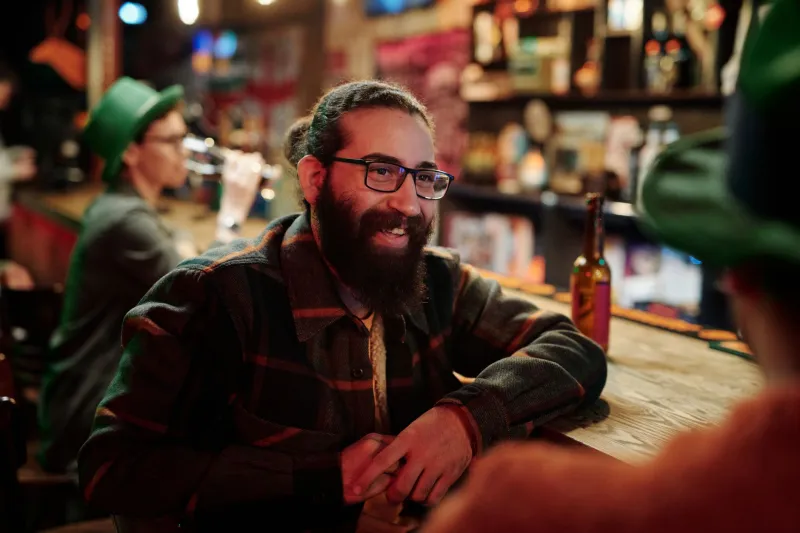
Once the night gets moving, the real work begins. A packed pub on a Friday is a living, shifting thing. Energy rises and dips. A table that was rowdy at 8 PM gets quieter by 10. A couple at the bar who came in for a quick drink ends up staying for three hours. Someone who walked in alone is now deep in conversation with the person two stools down.
A great bartender tracks all of it — not in a surveillance-y, uncomfortable way, but in the way a good host tracks their own party. Who needs a refill? Who's been nursing the same drink for forty-five minutes and might be ready for the check? Who looks like they're trying to flag someone down but is too polite to actually wave?
Body language is the primary language here. A glass that gets pushed slightly forward, even subconsciously, is almost always a signal. Someone who's turned fully away from the bar is usually done. A person making repeated eye contact with the bartender but not saying anything is almost certainly trying to ask for something and doesn't want to be a bother.
The skill is in responding to those signals before the guest even has to voice them. That's the invisible part — the thing that makes a guest feel genuinely taken care of without being able to explain exactly why.
Pacing Is Everything (And Most People Don't Think About It)
One of the least glamorous but most critical skills a bartender develops over time is pacing — knowing when to speed things up and when to pump the brakes.
Early in the night, the job is often to warm the room. Drinks come out promptly. Conversation gets encouraged. The energy is being built from scratch, and the bartender is a big part of that construction. But as the night deepens, the pace shifts. Rounds slow slightly — not enough for anyone to notice, but enough to keep things from tipping from lively into sloppy. Food orders get gently suggested at the right moments. Water appears without being asked.
This is especially true on busy nights when the bar is three-deep. A less experienced bartender might just try to move as fast as possible, treating it like a logistics problem. A great one is thinking about the whole arc of the evening — not just the next ticket, but what the room is going to feel like in an hour, and what small choices now will shape that.
It's part crowd management, part hospitality, and part something that's genuinely hard to teach. You develop it by paying attention, night after night, until it becomes instinct.
The Joke That Lands, and the One That Doesn't
Here's something that doesn't get discussed enough: humor is a tool behind the bar, and knowing when and how to use it is its own skill set entirely.
A well-timed quip can break the ice between two strangers, defuse a tension that's been quietly building at one end of the bar, or just give someone permission to stop taking their night so seriously. But the same joke, delivered to the wrong person at the wrong moment, lands like a lead balloon — or worse, makes someone feel mocked instead of included.
The best bartenders develop a kind of comedic radar. They know which guests want to banter and which ones just want their drink and their peace. They know when a little self-deprecation will earn trust and when it'll just seem weird. They understand that humor at a pub isn't performance — it's connection. The goal is never the laugh itself. It's the warmth that comes after it.
Giving People Space Is Also a Service
For all the attention a great bartender pays to their guests, one of the most important things they know how to do is back off.
Not every person who sits down at a bar wants to be engaged. Some people come to a pub specifically because they want to be around other humans without having to interact with them. There's comfort in the ambient noise, the low lighting, the sense of not being alone — even when you're technically by yourself. A bartender who doesn't understand this will hover, check in too often, and accidentally turn a peaceful solo drink into a social obligation.
Knowing when to give someone their quiet is as much a hospitality skill as knowing when to strike up a conversation. The read is subtle — posture, eye contact, how they're holding their phone, whether they respond to small talk with expansion or contraction. But once you see it, you don't miss it.
The Craft Behind the Curtain
None of this happens automatically. The bartenders who make it look effortless have usually put in years of nights that weren't effortless at all — nights where they read the room wrong, paced poorly, said the wrong thing to the wrong person, or missed the signal from the guest at the end of the bar who really needed a refill.
What you're watching when you watch a great bartender work isn't magic. It's accumulated craft. It's the same kind of quiet expertise you'd find in a great teacher who knows which student needs encouragement and which one needs a challenge, or a great coach who knows when to push and when to ease off.
Next time you're in, take a second to watch the person behind the bar. Really watch. Chances are, they're doing about fifteen things at once that you'll never fully see — and the fact that you don't notice is exactly the point.
That's the real art of the handoff. And it's why some nights just feel different from the rest.