How a Great Pub Playlist Turns a Room Full of Strangers Into a Table Full of Friends

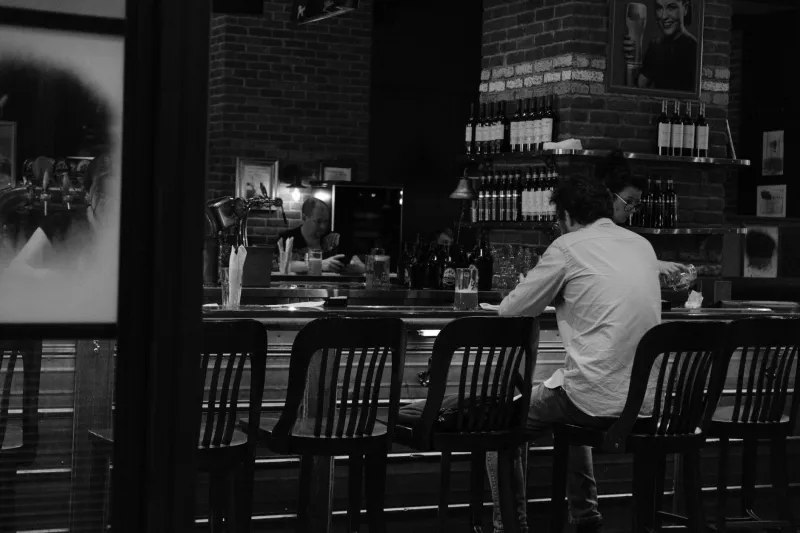
There's a moment that happens in every great pub, usually somewhere around the second round. Two people who arrived separately — maybe they're sitting one barstool apart, maybe they've been quietly nursing their drinks for twenty minutes — suddenly make eye contact. One of them says something. The other laughs. By the time last call rolls around, they're swapping phone numbers or arguing about the best burger in town like they've known each other for years.
Credit the bartender. Credit the beer. Credit the comfortable lighting and the worn-in barstools that feel like they were made for exactly this kind of evening. But don't forget to credit whatever was playing on the speakers when it happened. Because nine times out of ten, there was a song involved.
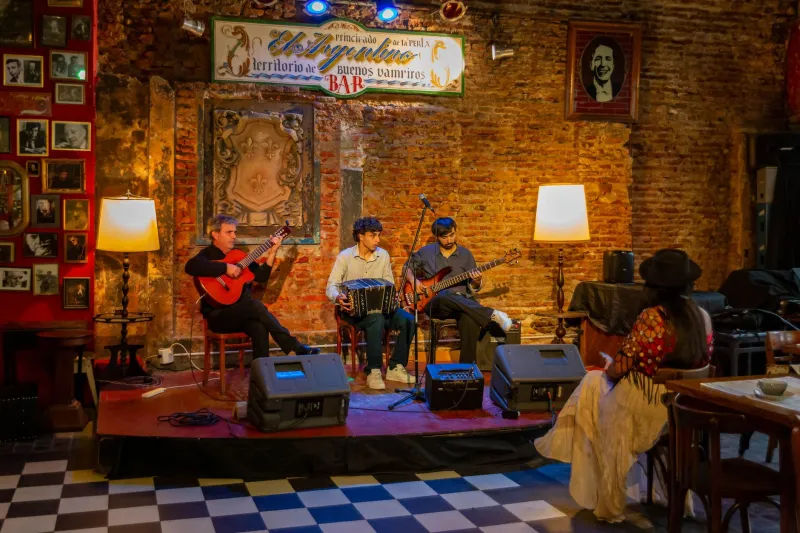
Music in a pub isn't decoration. It's infrastructure.
The Playlist Is a Conversation Before Anyone Says a Word
Walk into a bar and hear aggressive EDM thumping at 90 decibels before you've even found a seat, and your brain immediately starts calculating the fastest exit. Walk into the same bar and hear something warm and familiar — maybe a little Otis Redding, maybe some Fleetwood Mac, maybe a track that sounds like it was recorded in someone's living room on a Sunday afternoon — and your shoulders drop. You exhale. You sit down.
That shift is entirely intentional at bars that know what they're doing. The playlist is the first thing that tells you what kind of night this is going to be. It signals: you can relax here. And relaxed people talk to each other.
Bartenders who've been at it for a while will tell you the same thing: the music isn't background noise. It's the opening move in a long conversation between the room and the people in it. Get it wrong and you're fighting the crowd all night. Get it right and the room practically runs itself.
Tempo Is Everything (And Most People Don't Realize It)
Here's something that doesn't get talked about enough: the tempo of a playlist matters as much as the actual songs on it. Early in the evening, when the bar is half-empty and people are just arriving, slower tempos create a sense of ease. Nobody feels rushed. The music isn't demanding anything from you. It just holds the space.
As the night builds — as more people file in, as conversations get louder, as the energy naturally rises — the playlist should climb with it. Not dramatically, not jarringly, but steadily. Think of it like a slow burn rather than a light switch. A good playlist operator is essentially a mood architect, nudging the room upward in tiny increments so that by 9 PM on a Friday, the place feels alive without anyone quite being able to explain why.
The reverse is also true. A song that arrives too hot, too early — before the room is ready for it — can feel like someone turned on all the lights at a dinner party. It breaks the spell. The trick is reading where the room is and meeting it there, then gently pulling it forward.
The Songs That Always Seem to Work
Ask any bartender worth their salt about the tracks that reliably crack a room open and you'll get a list that's specific, almost superstitious. There are songs that function like social lubricant — not necessarily the most famous songs, not always the obvious choices, but tracks that carry some shared cultural weight and land just right.
Classic rock deep cuts tend to punch above their weight in pub settings. Something off a well-loved album that most people know but don't hear on the radio anymore — a Creedence Clearwater Revival track, a Tom Petty B-side, something from the Faces — has a way of making a stranger turn to you and say, oh man, I haven't heard this in forever. And just like that, you're talking.
Soul music does something similar. There's a communal warmth to a well-placed Aretha Franklin track or a bit of Curtis Mayfield that softens people's edges in a way that's hard to explain but impossible to miss. The room gets a little more generous. People make room for each other.
And then there are the wildcards — the unexpected covers, the deep folk cuts, the songs that feel like they're from some parallel universe where everything is slightly better. Those are the ones that make people look up from their phones.
Volume: The Variable Nobody Talks About
Volume is where a lot of bars get it wrong. Too quiet and the music becomes wallpaper — functional but forgettable, doing nothing to shape the energy. Too loud and it becomes a wall between people, forcing everyone to shout over it just to order a drink, let alone have a real conversation.
The sweet spot is what you might call conversational volume — loud enough to fill the room and set a mood, quiet enough that you don't have to lean in to hear what the person next to you is saying. That range is actually pretty narrow, and it shifts throughout the night as the room fills up and ambient noise rises. A good bar adjusts for it constantly, even if the adjustments are small.
The goal is for the music to feel present without demanding attention. It should be something you notice when you walk in and something you'd miss if it suddenly stopped, but not something that makes you feel like you're at a concert when you just wanted a pint and some good company.
When the Right Song Hits at the Right Moment
There's a specific kind of magic that happens when a song lands at exactly the right moment in a room full of people. Maybe it's a song that everybody knows and hasn't thought about in years. Maybe it's something that just fits the exact emotional frequency of the evening. Either way, when it happens, the whole room seems to exhale together. Conversations pause for a beat. Someone sings a line under their breath. A stranger catches your eye and grins.
That's not an accident. That's craft.
The best pub playlists are built by people who understand that they're not just filling silence — they're creating the conditions for something to happen. They're setting a table, in a sense, and hoping that the people who sit down at it find something worth sharing.
At Eagle Rock, we think about this stuff. We think about what you hear when you walk through the door, about whether the room feels like a place you want to stay in, about whether the music is working for the people in the room or just playing at them. Because a neighborhood pub is more than a place to eat and drink. It's a place where, if everything lines up just right — the pint, the food, the light, and yeah, the music — a stranger can become a friend before the night is over.
And honestly? That's the whole point.