The Invisible Regulars: How the Quietest Faces Keep a Pub Alive
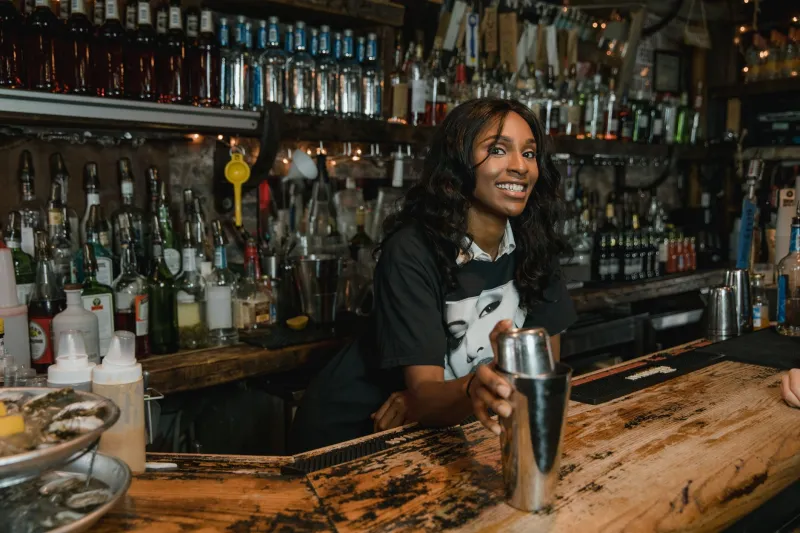
There's a guy who comes in every Thursday around 6:15. He sits at the far left end of the bar — same spot, every time — orders a pint of whatever amber ale is on, and reads. Sometimes it's a paperback. Sometimes it's his phone. He nods at the bartender. He tips well. He's gone by 8.
Most people have never noticed him. And that's exactly the point.
In a culture that rewards the loudest voice in the room, pub life has quietly built itself around a very different kind of person. Not the birthday crew taking over the back booth. Not the guy who knows the owner by name and says so. Not the fantasy football league that books the same table every Monday and orders nachos loud enough for the whole place to hear. The unsung engine of any truly great neighborhood bar is the forgettable regular — and if you run a pub, you'd better know how to take care of them.
The Anchor Effect Nobody Talks About
Here's something bartenders understand intuitively but rarely say out loud: a room with a few steady, familiar faces feels completely different from a room full of strangers, even if the energy level is identical. Those quiet regulars — the ones who've been coming in for two, three, five years without making a scene — function as social anchors. They signal to every new face that walks through the door that this place is safe, consistent, and worth coming back to.
You don't need to have a conversation with them. You don't need to know their name. You just need to see them sitting there, comfortable and unhurried, and something in your brain relaxes. It's the same reason good restaurants seat early tables near the window — not for the view, but so people walking by can see other people eating. Presence is its own kind of endorsement.
The quiet regular is doing that work every single Thursday at 6:15, and they're not even trying.
The Paradox of Not Being Seen
Here's where it gets interesting. The loyalty paradox at the heart of pub culture is this: the people who demand the least attention are often the ones a bar can least afford to lose.
Your loudest regular might bring in a group twice a year for a birthday bash and spend big both times. Your quiet regular drops in 40 times a year and spends modestly each visit. Do the math. The quiet one is probably more valuable financially, and they're definitely more valuable atmospherically. But they're also the easiest to accidentally neglect — because they never complain, never ask for anything special, and never make a fuss when the place is slammed and they get slower service than usual.
Great pub culture is built on recognizing this without making a production of it. The best bartenders know the quiet regulars by drink order, not by drama. They pour the pint when they see the coat come through the door. They don't interrupt the book. They check in with a look, not a monologue. The whole transaction is built around respect for exactly the kind of low-key loyalty that keeps the lights on.
What Makes Someone a Quiet Regular
It's worth thinking about why people become quiet regulars in the first place. It's almost never about the beer list or the food menu, though both matter. It's about finding a place where the terms of belonging are low-pressure.
Not every social experience needs to be a performance. Not every night out needs to involve conversation with strangers or catching up with friends or celebrating something. Sometimes a person just needs to be somewhere that isn't home, surrounded by the low hum of other humans, with a decent pint in front of them and nobody asking anything of them.
A pub that understands this doesn't try to fix it. It doesn't send a server over every 12 minutes with forced cheerfulness. It doesn't blast music so loud that solitude becomes impossible. It creates space — physical and social — for the person who wants to be out without being on.
That's a harder design problem than it sounds. Most hospitality culture is built around engagement, around turning tables, around upselling and interaction. Building a place that also works for the person who wants none of that — while still making money — requires a genuine understanding of what a neighborhood gathering spot is actually for.
The Welcome That Doesn't Announce Itself
There's a version of "welcoming" that's performative. The big hello when you walk in, the server who crouches down to your level and introduces themselves by name, the manager who swings by to make sure everything is amazing. That stuff has its place. But there's another version of welcoming that's quieter and, honestly, more powerful.
It's the bar that has a stool you can count on. The bartender who remembers without making a ceremony of it. The regulars — the quiet ones — who've established that this is a place where people come back, which means it's a place worth coming back to.
The most welcoming pubs in America aren't necessarily the friendliest in the loud, gregarious sense. They're the ones that have figured out how to make people feel like they belong without requiring them to perform belonging. And a lot of that is done, invisibly and without credit, by the people sitting quietly at the end of the bar with a pint and a paperback.
They'll be back next Thursday. Same stool. Same order. Same quiet contribution to the thing that makes this place worth walking into.
Maybe buy them a round sometime. Or maybe just let them read.