Roots on the Menu: How Your Local Pub Is Quietly Saving American Food Culture
There's a bowl of she-crab soup sitting on a bar top in Charleston, South Carolina. It's rich, creamy, and made from a recipe the owner found tucked inside a church cookbook from 1952. Two blocks away, a chain restaurant is serving the same generic loaded potato skins you'd find in Omaha, Phoenix, or Duluth. The difference between those two plates isn't just flavor — it's history.
Across the United States, neighborhood pubs are becoming something no food critic quite anticipated: living archives of regional identity. Not through pretension or white-tablecloth ceremony, but through the deeply human instinct to feed people food that means something.
The Pub as a Culinary Time Capsule
When we think about preserving culture, we usually picture museums or historical societies. But some of the most genuine preservation happening right now is taking place in pub kitchens — places where a cook might spend a Tuesday afternoon recreating a Depression-era bean soup because their grandmother made it, and it deserves to exist in the world again.
In New Orleans, neighborhood bars have long anchored themselves to the city's food identity. Red beans and rice on Monday isn't a marketing gimmick — it's a tradition stretching back to when washday meant a pot of beans slow-cooking on the stove all afternoon. Local pubs that keep that tradition alive aren't just serving lunch; they're threading a cultural needle between generations.
The same story plays out in different flavors across the country. In Appalachian towns, some pub kitchens are reviving dishes like ramps and cornbread, or sourcing wild-harvested ingredients that once defined the region's table. In the Midwest, you'll find spots quietly championing the smash burger long before it became a social media trend — not because it was trendy, but because it was theirs.
Hyper-Local Sourcing as a Form of Storytelling
One of the quieter revolutions happening in neighborhood pub cooking is the return to hyper-local sourcing. Not the buzzword version — not the chalkboard menu that name-drops a farm to justify a $28 entrée. The real version, where a pub in the San Fernando Valley is buying tomatoes from a grower two towns over because that's just what made sense.
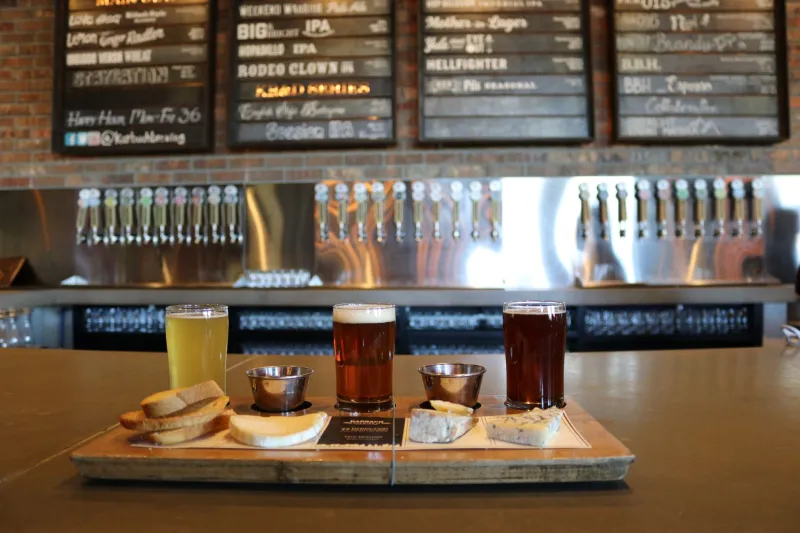
Here in the Eagle Rock area of Los Angeles, that kind of thinking isn't abstract. It's a neighborhood with deep roots, a mix of longtime residents and newer arrivals, and a food culture that rewards places willing to pay attention to where they actually are. A pub that sources from a local rancher, features a salsa verde made from peppers grown in someone's backyard garden, or keeps a rotating tap of craft beers from the next neighborhood over — that pub is doing something quietly radical. It's saying: this place matters, and the food on your plate is proof.
Small decisions compound. When a pub commits to buying local honey, or keeping a heritage grain flour in the pantry, or serving a fish that's actually caught off the regional coast rather than imported from overseas, those choices shape a menu that couldn't exist anywhere else. That's the whole point.
Forgotten Recipes and the People Who Remember Them
Some of the most exciting things happening in pub kitchens right now involve recipes that nearly disappeared. A bartender's abuela's tamale technique. A retired line cook's memory of how a certain chili was made at a now-closed diner that fed a whole neighborhood for forty years.
These aren't just nostalgic gestures. They're acts of cultural recovery.
In Detroit, a handful of neighborhood bars have quietly brought back pasties — the dense, hand-held meat pies that Cornish immigrants brought to Michigan's Upper Peninsula mining communities in the 1800s. They weren't on any trend forecast. Nobody was writing think-pieces about them. But they belonged to the place, and someone decided that mattered.
In Texas Hill Country, some pubs are resurrecting Czech kolaches and German-style sausages that reflect the communities settlers built generations ago. In the Pacific Northwest, you'll find spots incorporating Indigenous food traditions — cedar-planked salmon, foraged mushrooms, camas root — into menus that acknowledge the full, complicated depth of a region's history.
None of this requires a Michelin star or a James Beard nomination. It just requires a kitchen that gives a damn.
Why the Pub Is the Right Place for This Work
You might wonder why a pub, specifically, is where this preservation tends to happen. The answer is almost embarrassingly simple: pubs are where people actually go.
A restaurant with a prix fixe menu and a months-long reservation list is doing valuable work, but it's serving a narrow slice of the community. A pub — a real one, with cold pints and a worn-in bar and a room that feels like it belongs to everybody — is a democratic space. It's where the mechanic sits next to the schoolteacher, where the longtime resident meets the newcomer, where a dish on the menu can spark a conversation about where it came from and why it still matters.
Food eaten in that kind of company carries more weight. It becomes part of the ongoing story of a neighborhood rather than just a transaction.
At Eagle Rock Public House, that belief sits at the core of what we're doing. Good food isn't just fuel — it's a way of honoring where you are and the people who shaped it. Every dish that connects to this neighborhood's roots, every ingredient sourced from someone nearby, every recipe that carries a little history in it — that's the kind of menu worth building.
A Living Tradition, Not a Museum Piece
The key word in all of this is living. Preserving food culture doesn't mean freezing it in amber. It means keeping it in conversation with the present — adapting techniques, incorporating new influences, letting the community's evolving identity show up on the plate.
American food has always been a story of layering: Indigenous foundations, immigrant contributions, regional adaptations, and constant reinvention. The neighborhood pub that honors that complexity — that serves a dish rooted in history while making it feel right for tonight — is doing something genuinely meaningful.
So next time you're sitting at a bar somewhere and the menu has something on it that makes you ask wait, what's the story behind that? — ask. Chances are, the answer is worth more than you'd expect.
That's what good pub food does. It starts a conversation that keeps going long after the plates are cleared.