How a Barstool Becomes Yours: The Unwritten Rules of Becoming a True Regular
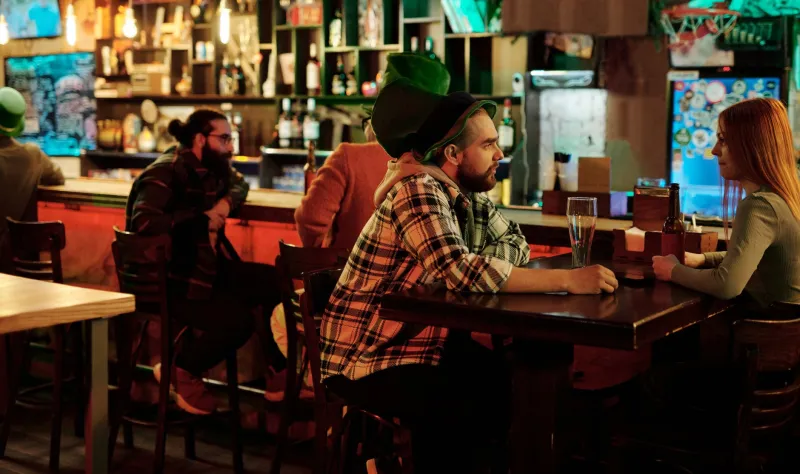
Somewhere in your city — maybe a few blocks over, maybe right at the end of your street — there's a pub where the bartender starts pouring before you even sit down. Where the seat at the corner of the bar is understood, without a word spoken, to be taken. Where your name isn't on a reservation list, but everyone knows it anyway.
That's not luck. That's not even just habit. That's regulars culture — one of the most quietly powerful forces in American neighborhood life, and something the best local pubs spend years nurturing without ever making a big deal about it.
At Eagle Rock Public House, we think about this stuff a lot. Because a cold pint and a good burger will bring someone in once. But belonging? That's what brings them back for twenty years.
The Difference Between a Customer and a Regular
Let's be honest: anyone can walk into a bar. You hand over your card, you order a drink, you leave. That's a transaction. Being a regular is something else entirely — it's a relationship, and like any relationship, it takes time and a little bit of mutual investment to get there.
Regulars don't just frequent a place. They become part of its texture. They're the ones who notice when the draft lines get cleaned, who remember the bartender's dog's name, who quietly tip a little heavier on slow Tuesday nights because they understand how the economics of a neighborhood spot actually work. In return, the bar gives them something that no app or loyalty program can replicate: the feeling of being genuinely known.
That exchange — recognition for loyalty — is the foundation of everything.
The Ritual of the Remembered Order
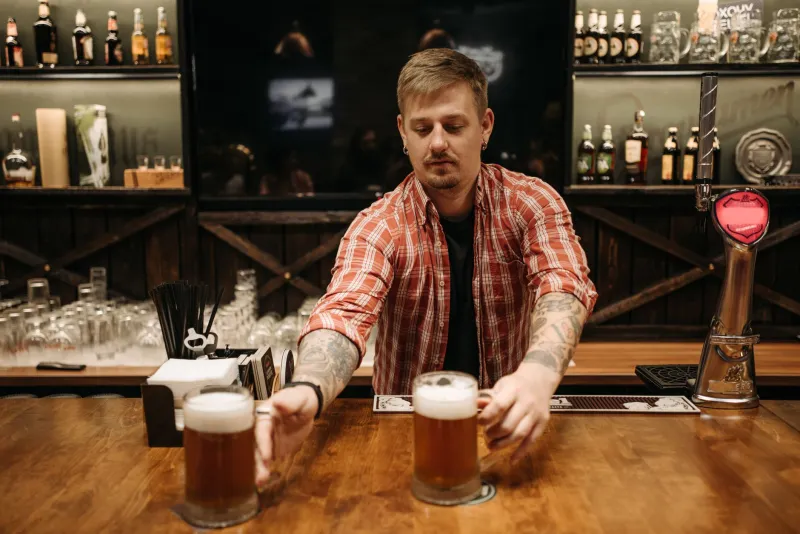
If there's one moment that marks the unofficial crossing of the threshold from visitor to regular, it's the first time a bartender makes your drink without asking. It sounds small. It isn't.
That moment signals that you've been seen, that your preferences matter, that this place has made a small but meaningful space for you in its memory. For a lot of people, especially in big cities where anonymity is the default, it hits harder than you'd expect.
Good pub staff understand this intuitively. They're not just pulling pints — they're cataloging. The guy who always wants his IPA in a cold glass. The woman who orders the same Reuben every Friday but switches up her beer depending on the season. The couple that comes in for date night and always splits a pretzel appetizer before they even look at the menu. These details aren't trivial. They're the raw material of belonging.
The Seat That Isn't Officially Yours (But Kind of Is)
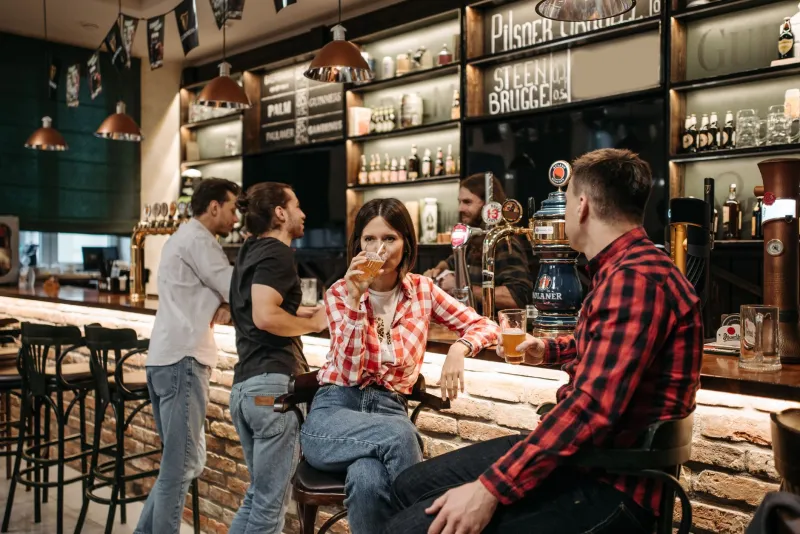
Every pub worth its salt has a few of these. The corner stool. The booth by the window. The two-top near the dartboard. These aren't reserved in any official sense — no sign, no velvet rope, no OpenTable listing. But among the regulars and the staff, everyone knows.
This is one of those beautiful, unwritten social contracts that only exist in places with genuine community. It requires trust on both sides: the regular trusts that the staff will quietly redirect a newcomer if they can, and the staff trusts that the regular won't make a scene if someone else happens to be sitting there on a packed Saturday night.
The best neighborhood pubs manage this with a kind of graceful diplomacy. Nobody gets kicked out, nobody gets embarrassed, but the culture is maintained. It's hospitality as a soft art form.
Why It Takes Time — and Why That's the Point
Becoming a regular can't be rushed, and that's actually what makes it meaningful. In an era when everything is optimized for instant gratification — same-day delivery, skip-the-line passes, personalized algorithms — the regulars table operates on a completely different timeline.
You have to show up. Consistently. You have to be present in a low-stakes, no-agenda kind of way. You have to be willing to make small talk on nights when you're not really feeling it, because community isn't just about the good nights — it's about showing up for the unremarkable ones too.
This is, frankly, countercultural in the best possible way. Your local pub is one of the last places in American life where you earn your place through genuine human presence rather than a subscription tier.
What Pubs Can Do to Cultivate It
For a neighborhood spot, regulars aren't just good for business — they're the business. They're the ones who recommend the place to out-of-town friends, who post the occasional photo without being asked, who stick around during the slow months when a restaurant's margins get tight. Their loyalty is the kind that advertising can't buy.
But cultivating that loyalty takes intention. The best pub operators know that it starts with staff — specifically, with hiring people who are genuinely curious about other people. A great bartender is part drink-maker, part social architect. They remember things. They ask follow-up questions. They know when someone wants to chat and when they want to be left in peace with their pint.
It also means creating a physical space that rewards staying. Good lighting (not too bright, not too dim). Comfortable seating that doesn't make you feel like you're being hustled out after forty-five minutes. A bar top that's wide enough to rest your elbows and feel settled. These design choices send a message: you're welcome to linger.
And perhaps most importantly, it means treating every new face like a potential regular — because the truth is, that's exactly what they might become.
The Bigger Picture
There's a reason sociologists call places like this "third places" — spaces that are neither home nor work, but somewhere in between. The regulars table is the heart of that concept. It's where a public house stops being just a place to get a drink and starts being a community anchor.
In neighborhoods across the country, local pubs have played this role for generations. They've hosted post-game celebrations and quiet after-work decompression sessions in equal measure. They've been the place where people found out about job openings, where friendships survived life's big transitions, where someone who was having a rough week could walk in and feel, almost immediately, a little less alone.
That's not something you can manufacture. But you can cultivate it — one remembered order, one saved barstool, one "good to see you again" at a time.
At the end of the day, a great pub isn't defined by its tap list or its kitchen, though both matter. It's defined by the people who keep coming back — and by the staff who make them feel, every single time, like they never really left.