Menu as Icebreaker: The Art of Food That Gets People Talking
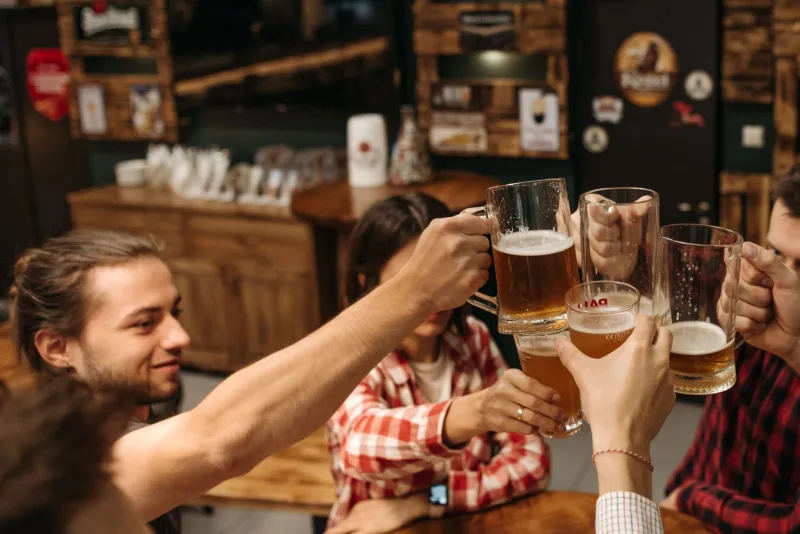
Here's a scene that plays out at good pubs all the time: two people sitting a few stools apart, strangers, not looking to socialize. Then a plate lands in front of one of them — something that smells interesting, or looks unexpected, or arrives in a way that makes the other person glance over involuntarily. One of them says something. The other responds. Twenty minutes later they're splitting an order and trading recommendations.
The kitchen did that. Not on purpose, maybe. But the best pub kitchens do it on purpose.
Food has always been a social catalyst, but most restaurant menus are designed around efficiency, margin, and trend-chasing rather than around what actually happens when people eat together. The pubs that understand food as a social tool — that think deliberately about which dishes generate conversation and why — create a fundamentally different kind of experience. Not louder or flashier. Just more alive.
The Story Value of a Dish
Every item on a menu is either a conversation or a transaction. A transaction is a burger. A conversation is a burger made with a specific beef blend from a named regional farm, finished with a house-made hot honey that the chef has been tinkering with for three years and finally got right.
Both burgers might taste excellent. But only one of them gives you something to say.
This is what food writers and chefs sometimes call "story value" — the narrative weight a dish carries that exists independently of how it tastes. A dish with story value doesn't need a server to deliver a monologue about it. It just needs to have enough going on that when someone reads the menu description or takes the first bite, they want to know more. Where did this come from? What is that flavor? Why is it prepared this way?
That curiosity is the engine of pub conversation, and smart menus are built to generate it.
Regional Roots and the Pride of Place
One of the most reliable ways to give a dish built-in conversation value is to anchor it to a specific place or tradition. American food culture is wildly regional — what counts as a proper fish sandwich in Pittsburgh is completely different from what you'd find in New Orleans or the Pacific Northwest — and that regionalism is endlessly interesting to people who didn't grow up with it.
A pub that sources its sausage from a local butcher operating out of a family recipe isn't just supporting a small business. It's putting a story on the plate. A pickle program using techniques from a specific immigrant tradition, a hot sauce with a genuine backstory, a bread sourced from a neighborhood bakery that's been around for decades — these details don't need to be announced loudly. They just need to be real, and present, and available to anyone who asks.
People ask. Especially at pubs, where the pace is slow enough and the atmosphere relaxed enough that curiosity has room to express itself.
Preparation Theater and the Double-Take Dish
Some dishes earn their conversation value not from their backstory but from what they look like — or sound like, or smell like — when they arrive at the table. There's a reason cast iron skillets, open-flame preparations, and visibly dramatic presentations have never gone out of style in bar kitchens. They create a moment.
The sizzle of something arriving in a hot pan. The visual surprise of a dish plated in a way you didn't expect from reading the menu. The smell that travels across the bar before the plate gets there. These aren't gimmicks — or they don't have to be. When the preparation is genuinely connected to the cooking method (cast iron for even heat retention, a wooden board for dry-aged steak because the wood absorbs excess moisture), the theater is just what good cooking looks like.
And that look, that moment of arrival, is often all it takes. The person at the next stool sees the plate and asks what it is. The table across the room flags down their server to order one. Strangers become collaborators in the experience of eating.
Nostalgia as a Social Bridge
There's another category of conversation-starting food that operates on a completely different frequency: the dish that reminds people of something. Comfort food isn't just comforting because it tastes good — it's comforting because it comes attached to memory, and memory is one of the most reliable conversation openers there is.
A pub that puts a well-executed version of something genuinely nostalgic on the menu — a properly made Welsh rarebit, a pot pie that tastes like a grandmother's kitchen, a version of a regional specialty that most of the room hasn't thought about since childhood — is handing its customers a social gift. Because nostalgia is inherently shareable. The moment someone says this tastes exactly like the thing my dad used to make, the table has a conversation.
This doesn't mean leaning on retro gimmicks or ironic throwbacks. It means taking seriously the emotional resonance of food and choosing to honor it rather than subvert it.
Shareability Is Not an Accident
The most socially functional pub menus are also built around dishes that are physically designed to be shared. Not just appetizers and sides, though those matter — but entrées and mains that lend themselves to the table reaching in, to the group negotiating bites, to the natural back-and-forth of communal eating.
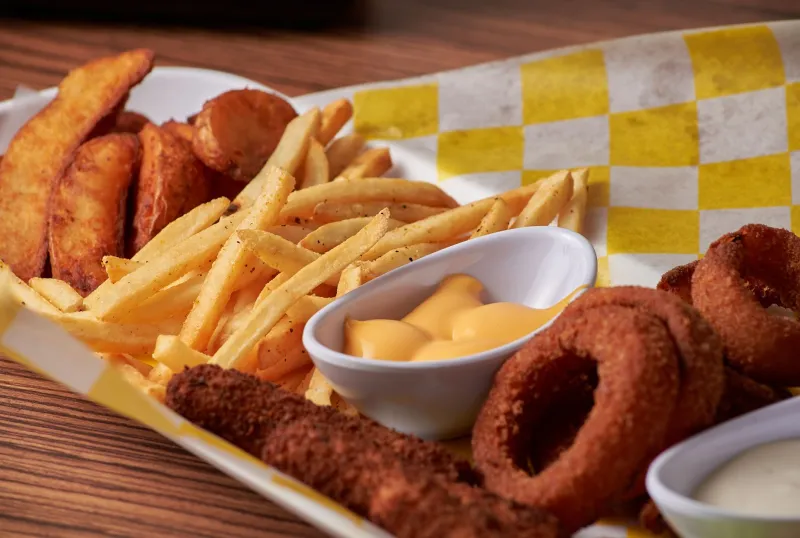
A platter. A board. Something that arrives looking abundant and inviting rather than individually portioned and protective. These formats create physical collaboration at the table, which creates conversation, which creates connection.
The best pub kitchens think about this from the beginning — not as an afterthought or a trend, but as a core design principle. What does this dish do for the table, not just the person who ordered it?
The Menu as Invitation
A pub menu that's doing its job isn't just a list of available food. It's an invitation to engage — with the kitchen, with the story of the place, with the people sitting nearby. The dishes that carry genuine curiosity, regional pride, dramatic arrival, or emotional resonance aren't just selling well. They're doing the invisible work of turning a room full of separate people into something that feels, for a few hours, like a community.
That's the real job of good pub food. Not to impress. Not to go viral. Just to give people something worth talking about.
Which, when you think about it, is what a great pub night is for anyway.