The 4 PM Truth Test: What a Bar's Happy Hour Really Says About the Place
The 4 PM Truth Test: What a Bar's Happy Hour Really Says About the Place
There's a moment every weekday afternoon — somewhere around 4 PM — when the light shifts just right through a bar's front windows and the first few regulars start sliding onto their stools. The kitchen's been running since lunch, the taps are cold, and the staff is hitting their stride. For the next few hours, something honest happens at a good pub. Happy hour kicks in, and with it, a kind of quiet audition that most customers don't even realize they're watching.
Because here's the thing: a bar's happy hour isn't just a pricing strategy. It's a values statement. The discounts might be what gets you through the door, but what's actually behind them — the beer quality, the bite selection, the energy of the room — tells you more about a bar's real priorities than any Instagram post or Yelp description ever could.
The Draft List Doesn't Lie
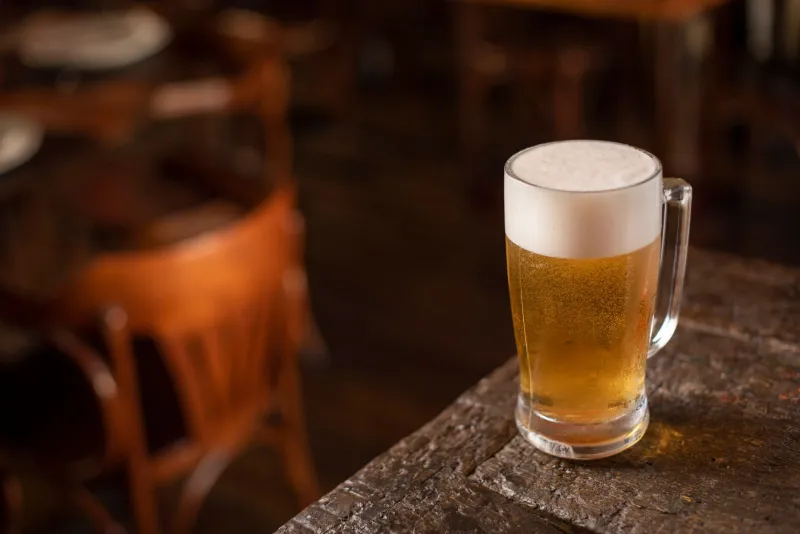
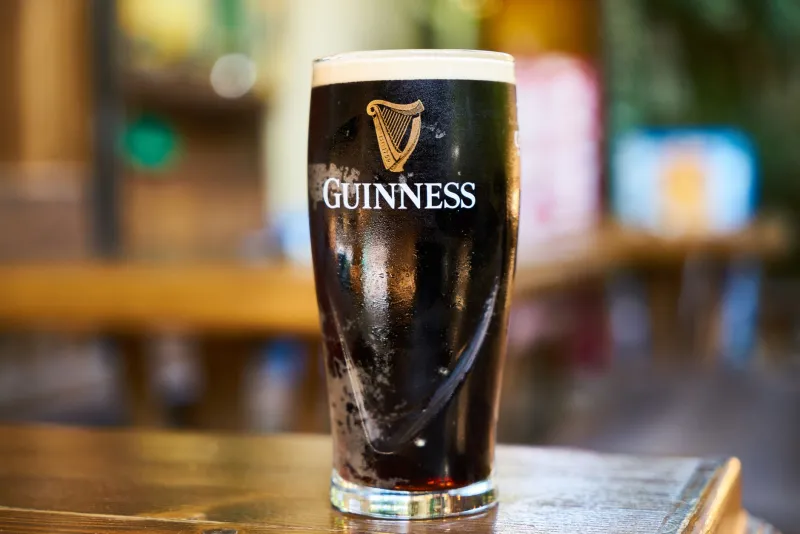
Start with the beer. A genuinely good happy hour doesn't hide its best taps behind full-price walls while pushing discounts on whatever's about to go bad or hasn't been moving. That's the first red flag. If the discounted drafts are limited to two adjunct lagers that have been sitting in a warm line since Tuesday, somebody's running a promotion — not a happy hour.
The pubs worth your loyalty treat the discount window as an invitation. They put something worth drinking on special. Maybe it's a rotating local craft that pairs well with the kitchen's half-price snacks. Maybe it's a well-priced pint of something sessionable that practically begs you to order a second round. The point is, the selection feels considered — not like an afterthought designed to move slow inventory.
At a place like Eagle Rock, the whole idea is that every pint should feel like a good deal, not because we've cut corners, but because we actually want you to stay awhile. Happy hour is just when we make that feeling official.
The Bite Menu Is Where You Catch a Bar Cutting Corners
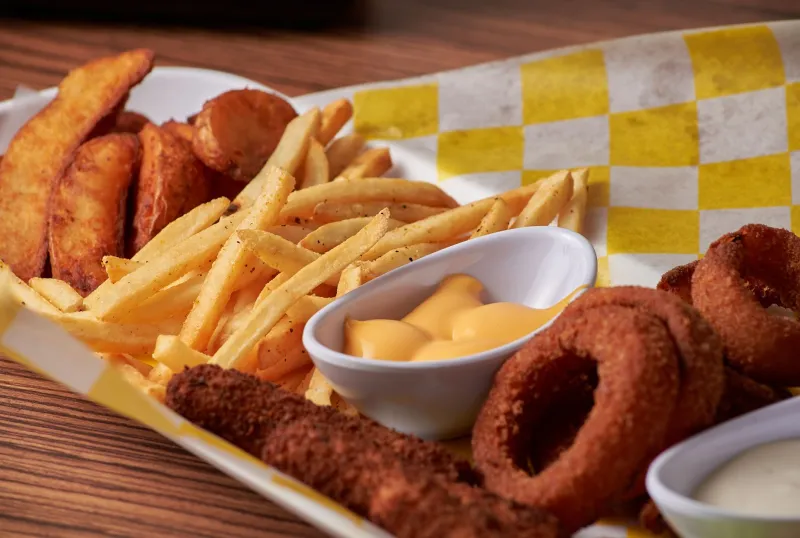
Now look at the food. Half-price apps and bar snacks are the second great revealer. A kitchen that cares will put out happy hour bites that are genuinely worth eating — not just a bowl of stale pretzels and a sad plate of mozzarella sticks that have been frozen since the Clinton administration.
The best happy hour menus are usually a curated highlight reel: a few items that the kitchen does really well, priced to move, and sized for sharing. Crispy wings with a house sauce. A proper flatbread with real toppings. Maybe a rotating small plate that gives the kitchen a chance to show off. These aren't charity items — they're strategic. A good happy hour bite makes you want a beer to go with it. A good happy hour beer makes you want another round of food. The best pubs understand that the two are inseparable.
When a bar serves you something genuinely delicious at 5 PM on a Tuesday for six bucks, that's not a gimmick. That's a handshake. It's a bar saying: we think you're worth the effort, even when the room isn't packed.
The Room Itself Is Part of the Deal
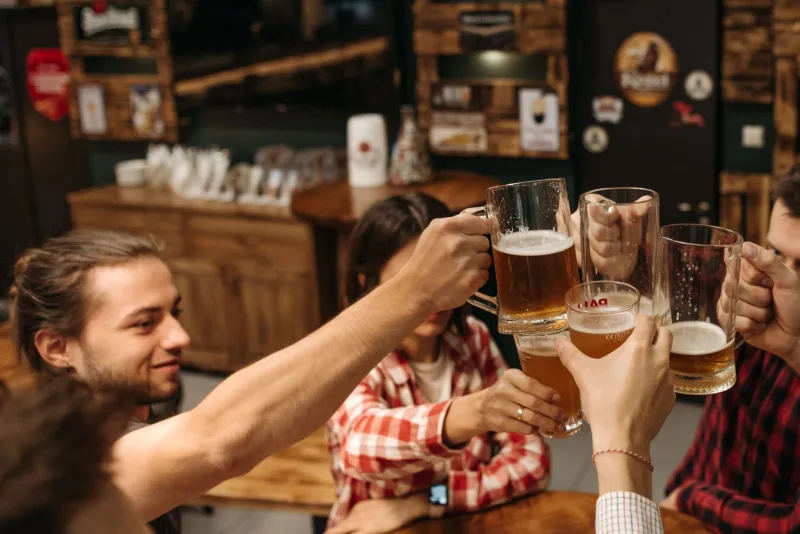
Happy hour has always been as much about atmosphere as it is about price. The ritual of it — leaving work behind, claiming a spot at the bar, exhaling into a cold glass — requires a room that's actually set up to receive you. That means lighting that's warm but not dim to the point of mystery. Music that's present without being intrusive. Staff who acknowledge you quickly, even if they're busy.
This is where a lot of bars fumble the handoff. The happy hour crowd is different from the dinner crowd and different again from the late-night crowd. They're often coming in solo or in pairs. They're tired. They want efficiency and comfort in roughly equal measure. A bartender who reads that correctly — who gets a drink in front of you fast and doesn't make you feel like you're interrupting their real night — is worth more than any two-for-one deal.
The best neighborhood pubs treat that 4-to-7 window as a kind of daily homecoming. The regulars know it. First-timers feel it. There's a rhythm to a well-run happy hour that you sense before you even sit down.
When It's Just a Gimmick, You Know
On the flip side, you've been to the other kind. The place where happy hour means a laminated sign taped to the hostess stand advertising a dollar off domestic bottles — one per customer, no substitutions. The kitchen's running a skeleton crew, the bartender looks annoyed, and the specials board hasn't been updated since last Thursday.
These bars use happy hour the way bad restaurants use early bird specials: as a way to fill seats during a dead window without actually committing to anything. The discounts are technically real, but the experience makes you feel like you're being tolerated rather than welcomed. There's no energy behind it. No care.
And you feel that. Even if you can't articulate exactly why, you leave knowing you won't be back.
Why Loyalty Gets Built at 5 PM, Not on a Saturday Night
Here's the counterintuitive truth about happy hour: the busy Friday night crowd is the easy part. When a bar is packed and the energy is high, almost any place can feel fun. The real test is whether a bar shows up just as hard on a slow Tuesday afternoon, for a handful of people who just want a decent pint and something good to eat before they head home.
Those are the customers who become regulars. Those are the people who bring their coworkers back on Friday, who recommend the place to their neighbors, who remember the bartender's name. Loyalty doesn't get built during peak hours — it gets built during the quiet ones.
A great happy hour is a bar saying: we're not just here for the crowd. We're here for you. And honestly? That's the most honest thing a bar can say.
So next time you're scoping out a new spot, don't wait for a Saturday night to make your call. Walk in at 4:30 on a Wednesday. Order a pint off the happy hour board. See what comes out of the kitchen. Watch how the staff moves. You'll know everything you need to know in about twenty minutes.
The truth is always in the happy hour.