Pints and Proper Cocktails: Why Your Neighborhood Bar Deserves Both
There's a version of this story that goes like this: you walk into your favorite pub, pull up a stool, and order a beer. Simple. Comfortable. Right. That version isn't going anywhere — and nobody here is suggesting it should.
But here's what's changing. A growing number of American neighborhood bars are quietly expanding what they offer without losing the thing that made you love them in the first place. We're talking about real cocktail programs. Not the dusty well-whiskey-and-sour-mix situation you've been politely tolerating for years. Actual, thoughtfully constructed drinks — balanced, intentional, made by someone who gives a damn.
The question isn't whether a pub can do both. The question is why it took so long to expect it.
The Old Divide Doesn't Hold Anymore
For a long time, the American drinking landscape was split pretty cleanly down the middle. You had your dive bars and pubs — unpretentious, loud, gloriously uncomplicated — and you had your craft cocktail lounges, with their hand-chipped ice, hushed lighting, and $18 price tags that made you do a quick mental calculation before ordering a second round.
Those two worlds didn't mix much. And honestly, each had its merits.
But something shifted over the last decade. Bartenders trained in fine cocktail programs started gravitating toward neighborhood spots. Regulars who'd spent years drinking at elevated cocktail bars wanted somewhere they could also catch a game and not feel out of place. The demand for quality didn't disappear just because the vibe got more casual — it followed people through the door.
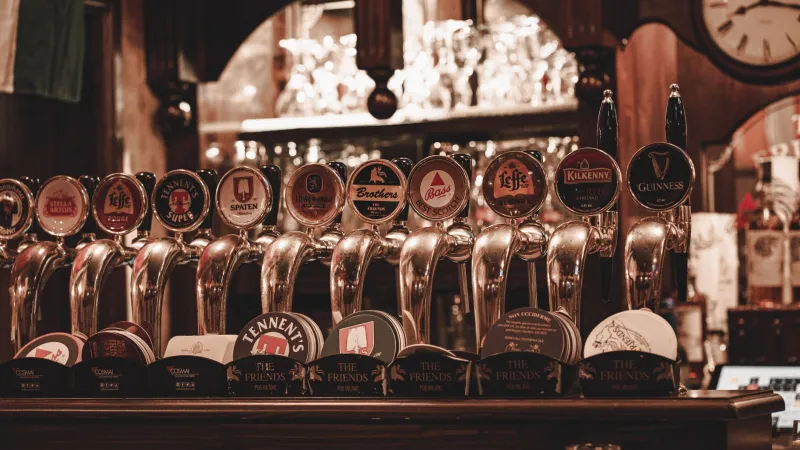
The result is a new kind of bar menu. One where the beer list still gets serious attention, where the draft lines are clean and the selection is genuinely considered — and where there's also a short, rotating cocktail menu that somebody actually spent time thinking about.
What a Serious Pub Cocktail Program Actually Looks Like
Let's be clear: we're not talking about a laminated insert tucked into the back of the food menu with eight drinks named after sports teams. That's not a cocktail program. That's a liability.
A real pub cocktail program is usually short — five to eight drinks, maybe fewer. Every one of them belongs there. The bartenders know how to make them without looking up the recipe. The ingredients are sourced with the same care that goes into picking what goes on tap.
You'll often see a handful of riffs on classics — an Old Fashioned built with a local rye, a Negroni that swaps in an amaro the bar actually stocks for other purposes, a highball that earns its place because the ginger beer is made in-house or sourced from somewhere worth mentioning. These aren't gimmicks. They're the result of someone asking, what would I actually want to drink here?
The best ones also respect the room. A great pub cocktail doesn't require a five-minute explanation. It arrives looking like something you want to drink, not something you want to photograph. It pairs naturally with the food on the menu. It costs a fair price — not cheap, but not the kind of number that makes you do math.
The Bartender Is the Program
Here's something that doesn't get said enough: a cocktail menu is only as good as the person making it night after night.
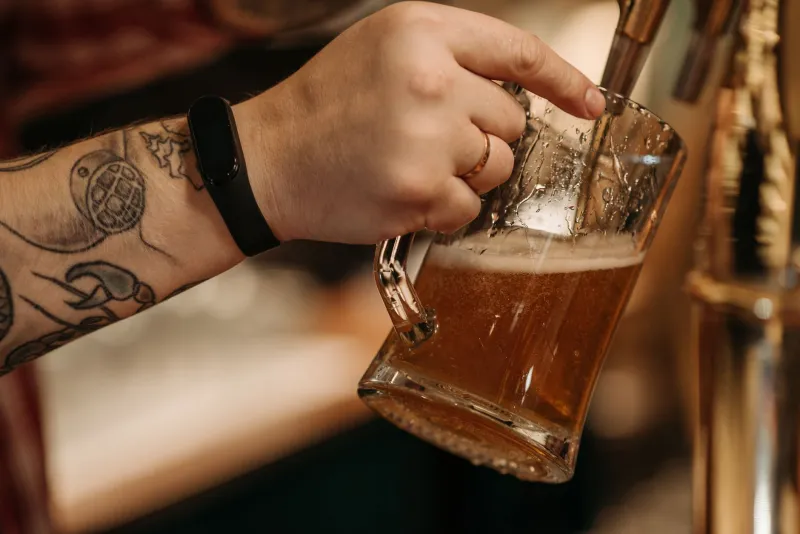
In a pub setting, that person is usually also pulling pints, running tabs, remembering that the couple at the end of the bar wants their waters refilled, and keeping the whole room feeling right. They don't have the luxury of a dedicated cocktail station or a second bartender dedicated solely to shaken drinks.
So the best pub cocktail programs are built around that reality. The drinks are designed to be executed quickly and consistently under real conditions. Batching happens where it makes sense. The mise en place is tight. Nothing on the menu requires a technique that falls apart when the bar gets three-deep on a Friday.
What you end up with is a kind of bartending that's actually harder than what happens in a dedicated cocktail lounge — and, arguably, more impressive. When someone makes you a genuinely great drink in the middle of a busy pub service without missing a beat on anything else, that's a skill worth respecting.
Why This Makes the Beer Better, Too
This is the part people don't always anticipate: elevating the cocktail program tends to raise the bar on everything else.
When a pub starts thinking seriously about what goes into a drink — the balance, the sourcing, the technique — that same mindset bleeds into how they approach the draft list, the food menu, the whole operation. Bars that care about one thing usually end up caring about everything.
There's also a practical side to it. A strong cocktail program brings in a different crowd — people who might not have walked through the door for a beer but will absolutely stay for three rounds once they realize this place knows what it's doing. That mix of regulars is good for the room. It keeps things lively. It makes the pub feel like what it's supposed to be: a place for everyone.
And when someone who came in for a cocktail looks over at the person next to them nursing a perfectly poured pale ale and asks what that is — well, that's a conversation. That's exactly what a pub should be starting.
The Case for Expecting More
If you're a regular somewhere and the cocktail menu has been the same sad laminated card since the Obama administration, it might be time to say something. Not in a demanding way — just a curious one. Hey, has anyone ever thought about doing a proper Old Fashioned here? You'd be surprised how often that question is all it takes.
Because here's the truth: the neighborhood pub has always been one of America's great democratic institutions. A place where the blue-collar and the white-collar sit at the same bar, where the food is good and honest, where no one's trying to impress anyone. Adding a serious cocktail program doesn't change any of that. It just means the menu is finally keeping up with the people sitting in front of it.
A cold pint and a well-made Boulevardier aren't competing with each other. They're both just good drinks, made by someone who cares, served in a place worth coming back to.
That's the whole point.