The Living Pint: Why Cask-Conditioned Ale Is the Most Exciting Thing Happening in American Craft Beer Right Now
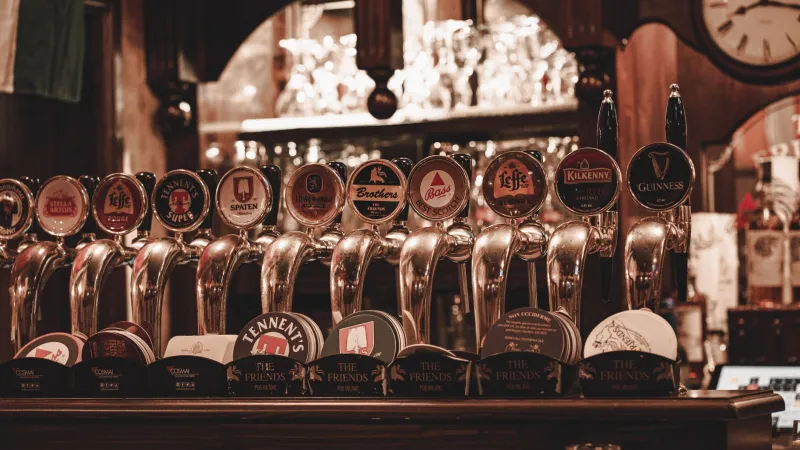
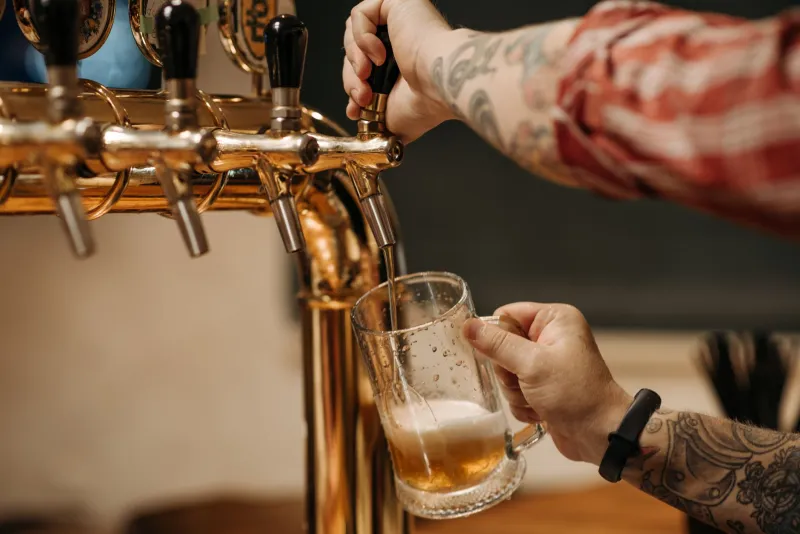
There's a particular moment that happens at a well-run pub — one of those small, quiet revelations that sneaks up on you between bites and conversation. You order something unfamiliar off the tap list, the bartender reaches for a long-handled pump instead of a standard faucet, and what lands in front of you doesn't look like any beer you've seen before. It's a little hazy, barely carbonated, served a few degrees warmer than you expected. You take a sip, and something clicks.
That's cask ale. And if you haven't had one yet, you're overdue.
What Cask Conditioning Actually Means
Let's clear up the basics, because "cask-conditioned" gets thrown around a lot without much explanation.
Most draft beer you encounter — from a mass-market lager to your local IPA — is force-carbonated. Brewers pump CO2 or a CO2/nitrogen blend into a sealed keg, carbonate the beer to a specific level, and then push it to the tap under that same gas pressure. It's consistent, efficient, and shelf-stable. Nothing wrong with it.
Cask ale works differently. The beer goes into a sealed cask — traditionally a firkin, which holds about 10.8 gallons — while it's still fermenting. A small amount of priming sugar and sometimes a handful of dry hops or other adjuncts go in with it. The cask gets vented slightly and then left alone to do its thing. Live yeast continues fermenting inside the vessel, naturally carbonating the beer over the course of a few days. When it's ready, it's served at cellar temperature (roughly 50–55°F) via a hand pump, also called a beer engine, which draws the beer up with suction rather than gas pressure.
The result is something genuinely different: lower carbonation, a softer, rounder mouthfeel, and flavors that are more expressive and nuanced — almost delicate — compared to the same beer poured from a standard keg. Because the beer is alive with active yeast until the very moment it's served, it's constantly evolving. A good cask pint on Tuesday might taste subtly different from the same cask on Thursday.
That's not a flaw. That's the whole point.
Why It Disappeared — and Why It's Coming Back
Cask ale never really caught on in the United States the way it did in Britain, where CAMRA (the Campaign for Real Ale) has been fighting to preserve it since 1971. American beer culture leaned hard into lagers and then, beginning in the 1980s, into the force-carbonated craft movement. Cask conditioning required a different skill set — proper cellar management, knowing when a cask was ready, pulling the right amount each day to keep the beer fresh — and most American bar operators simply weren't trained for it.
But the craft beer generation grew up curious. Homebrewers became professional brewers. Beer tourists came back from England with stories. And a handful of passionate advocates started asking: why aren't we doing this here?
The answer is that some people are. And they're doing it beautifully.
The Americans Doing It Right
In Philadelphia, the Standard Tap has been one of the longest-running champions of cask ale in the country, regularly featuring hand-pulled pints from local Pennsylvania breweries alongside their rotating draft list. It's a neighborhood bar through and through — no velvet ropes, no gimmicks — and the presence of a cask tap feels less like a novelty and more like a quiet statement of intent.
Out in Colorado, Breckenridge Brewery has been producing cask-conditioned versions of their flagship ales for years, and the local pub scene around Denver has embraced real ale with a seriousness that would impress even the most devoted CAMRA member. The annual Colorado Cask Ale Festival draws enthusiasts from across the region who come specifically for the hand-pulled experience.
On the West Coast, Portland's Horse Brass Pub — one of the most celebrated British-style pubs in the US — has maintained a cask program for decades, treating it with the reverence it deserves. Meanwhile, newer spots like San Francisco's Magnolia Brewing have made cask ale a cornerstone of their identity, not a seasonal curiosity.
In the South, a quieter movement is building. Asheville, North Carolina — already a serious craft beer destination — has seen several breweries experiment with cask conditioning as a way to offer something genuinely different in a market crowded with hazy IPAs and pastry stouts.
What a Good Cask Pint Should Feel Like
If you've never had one, here's what to expect — and what to look for.
The pour will be slower than a standard tap. A proper hand pump requires the bartender to pull several full strokes to fill your glass, and there's a satisfying, almost theatrical quality to watching it happen. The beer that arrives will likely have a gentle, creamy head rather than a thick foam cap. The color might surprise you — cask ales are often clearer than you'd expect, or conversely, pleasantly hazy with residual yeast.
Temperature is a big deal. Cask ale served too cold tastes flat and muted. Served at the right cellar temperature, the flavors open up in a way that refrigerator-cold beer simply can't achieve. Bitterness becomes rounder. Malt character gets richer. Hop aromatics — especially in dry-hopped casks — are more expressive and perfumed.
And the carbonation, or rather the near-absence of it, changes everything about how the beer sits in your mouth. It feels fuller, softer, more like a living thing than a product. Which, technically, it is.
What This Means for Your Local Pub
Here's the honest part: running a cask program is not easy. It requires cellar space, proper temperature control, a staff that understands the product, and a customer base willing to try something unfamiliar. A cask has a shelf life of a few days once it's tapped, so volume matters. Small pubs with low beer turnover can struggle to keep a cask program financially viable.
But the pubs that do it well earn something money can't buy: a reputation as a place that genuinely cares about beer. A hand pump on the bar is a signal to a certain kind of drinker — the curious one, the adventurous one, the person who reads tap lists like menus — that this is a serious establishment. It says: we're not just pouring beer, we're tending it.
That matters. In an era when every bar seems to have the same rotating IPA handles and the same mass-produced imports, a well-kept cask pint is a genuine differentiator. It's the kind of thing that makes a neighborhood bar feel irreplaceable.
How to Find One Near You
The Cask Marque organization (originally British but expanding its reach) maintains a list of venues serving properly kept cask ale. The Untappd app lets users search for real ale and hand-pulled options in their area. And honestly, the best method is still the old one: ask your bartender. If a pub has a cask program, the staff who work there are almost always proud of it and happy to talk about it.
When you find one, order it. Give it a chance before you judge the temperature or the carbonation level. Let it sit for a moment. Take a second sip.
There's a reason people have been drinking beer this way for centuries. Some things don't need improving — they just need rediscovering.