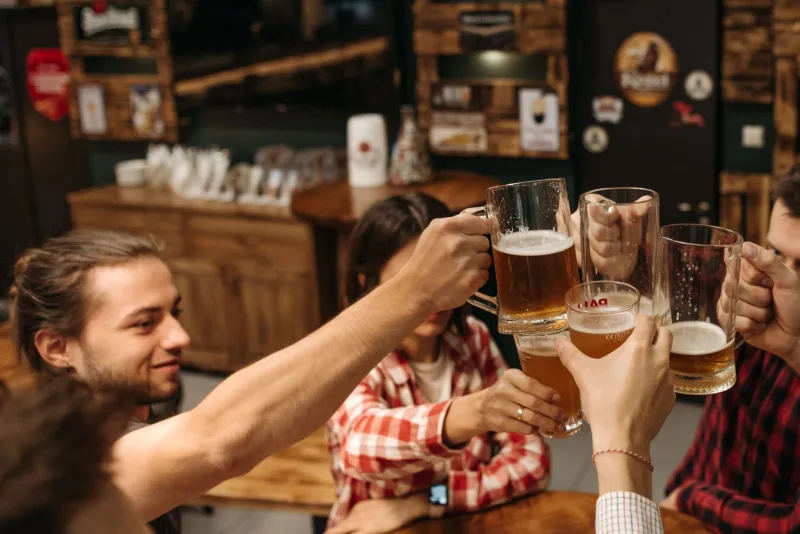
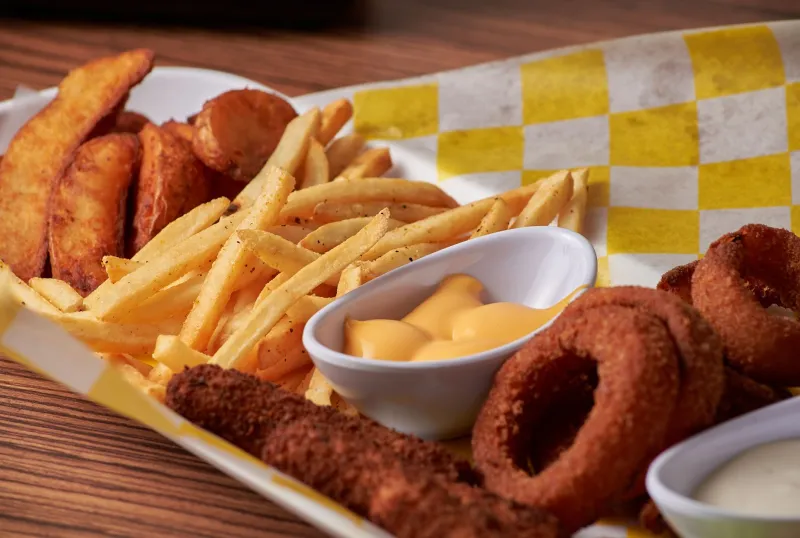
No Focus Group Required: How Independent Pub Owners Feed Their Communities Better Than Any Chain Ever Could
Somewhere in a glass-walled office park, a team of food scientists and brand strategists is arguing about whether a chain restaurant's new menu item will test well in the Southeast. They've got demographic data. They've got consumer surveys. They've got a pilot program running in three test markets. And after all of that, they'll produce something that tastes like it was designed to offend no one — which, in the food world, usually means it delights no one either.
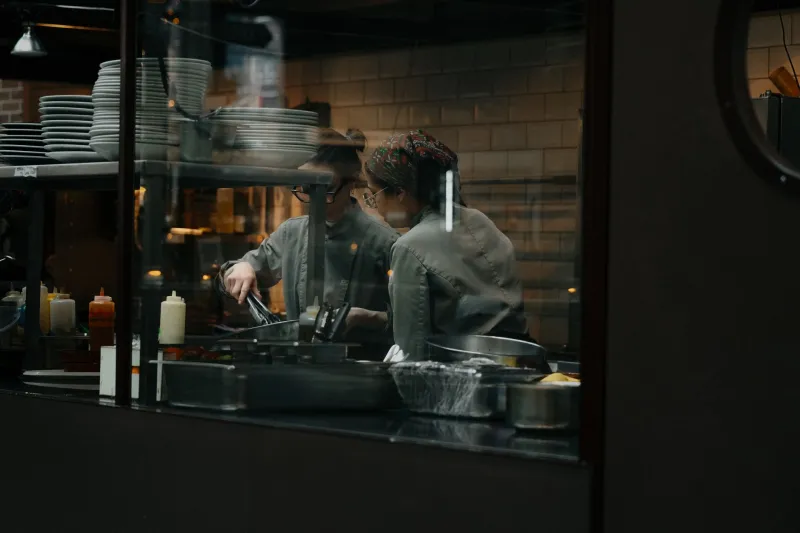
Meanwhile, the owner of your neighborhood pub is standing in the kitchen on a Tuesday morning, talking to the line cook about a new dish they want to try because three different regulars mentioned last week that they'd been craving something with short rib. No survey. No algorithm. Just listening.
That gap — between corporate food strategy and the intuitive, community-rooted knowledge of an independent pub owner — is bigger than most people realize. And it's becoming one of the most significant competitive advantages in the American food landscape.
The Menu as a Portrait of the Neighborhood
Every dish on a great pub menu is a small decision that reflects something real about the place it comes from. The spice level on the wings. Whether there's a vegetarian option that's actually good or just an afterthought. The size of the portions. The price point that keeps the menu accessible to the regulars who've been coming in for fifteen years.
Chain restaurants make these decisions by aggregating data across thousands of locations and dozens of demographics. The result is a menu optimized for broad appeal — which sounds reasonable until you realize that "broadly appealing" and "genuinely satisfying" are almost never the same thing.
Independent pub owners make these decisions differently. They make them based on who walks through their door. They know that the after-work crowd on Thursdays skews toward people who want something substantial and fast, so the kitchen is set up to move those orders quickly. They know that the weekend lunch crowd is more leisurely and more willing to try something new. They know that in January, the soup better be serious, because the regulars have been cold all week and they need it.
This isn't intuition in some vague, mystical sense. It's accumulated, specific knowledge about real people — and it produces better food.
Sourcing Without a Procurement Department
One of the most significant ways independent pubs outperform chains is in sourcing, and it happens almost invisibly. A chain restaurant's purchasing decisions are made at the corporate level, driven by volume pricing, national supplier contracts, and consistency standards across hundreds of locations. The result is ingredients that are reliable, shelf-stable, and almost entirely disconnected from the local food ecosystem.
An independent pub owner, by contrast, is often sourcing ingredients through relationships that have been built over years. The local farm that drops off produce twice a week. The regional brewery whose seasonal releases show up on the tap list before they're available anywhere else in town. The butcher two miles away who calls when something good comes in because they know the pub will use it.
These relationships don't just produce better ingredients — they produce a menu that's genuinely connected to its place and time. A pub that's serving a burger made with beef from a farm forty minutes away isn't just making a sourcing decision. It's making a statement about what kind of place it is and what it owes its community.
Customers feel this, even when they can't articulate it. There's a texture to food that comes from somewhere real — a freshness, a specificity of flavor — that mass-produced ingredients can't replicate. And increasingly, diners are noticing the difference.
Pricing That Respects the Room
Here's a conversation that never happens at a chain restaurant: the owner sitting down with their menu and asking, "Can my regulars afford this?"
At an independent pub, that conversation happens all the time. Not because pub owners are running charities — they're running businesses, and the margins are tight — but because they understand something fundamental about the economics of community hospitality. If the people who built your reputation can't afford to come in on a Wednesday night, you've broken something important.
This doesn't mean independent pubs can't charge appropriately for quality. It means they're thoughtful about where they charge more and where they hold the line. The craft cocktail menu might push toward premium pricing because the ingredients warrant it. But the basket of fries, the weeknight special, the pint of the house draft — those stay accessible because the room depends on them.
Chain pricing is set by finance teams working backward from margin targets. Independent pub pricing is set by owners who eat dinner in the same neighborhood they're serving. The difference in philosophy produces a meaningfully different experience at the table.
The Knowledge That Can't Be Bought
There's a category of information that no corporate focus group can access, and it's the most valuable thing an independent pub owner has: the accumulated memory of ten thousand small interactions.
The regular who always orders the fish and chips but has been quietly asking about lighter options lately. The family that comes in every Sunday after church and always leaves a comment about the noise level. The table of coworkers who started coming in six months ago and have been slowly working through the entire draft list. The feedback that comes not through a survey form but through a half-finished plate or an unprompted "this is the best thing I've eaten all week."
This kind of knowledge shapes menus, service styles, and atmosphere decisions in ways that are impossible to replicate from the outside. It's why the pub that's been in your neighborhood for twelve years feels like it knows you, even when you can't quite explain how. Because it does.
Why This Matters Right Now
Americans are increasingly fatigued by the sameness of the chain restaurant experience. The identical layouts, the laminated menus, the food that tastes like it was designed in a lab to be inoffensive. There's a growing appetite — pun fully intended — for food experiences that feel specific, local, and real.
Independent pubs are positioned to meet that appetite better than almost any other format in the restaurant world. They have the community relationships, the sourcing flexibility, the menu agility, and the institutional knowledge of their neighborhoods that chain restaurants structurally cannot replicate.
The best ones have always known this. They've been running their menus like love letters to their regulars for decades — tweaking the chili recipe because someone mentioned their grandmother made it with a little more heat, adding a gluten-free option because the table by the window asked about it three Saturdays in a row, keeping the fish sandwich on the menu long after it stopped being fashionable because the Tuesday lunch crowd would mutiny if it disappeared.
No focus group could have told them any of that. But their community did — one meal, one conversation, one empty plate at a time.